Tag: food myths

  • Is Honey Actually Better Than Sugar?

    Is Honey Actually Better Than Sugar?

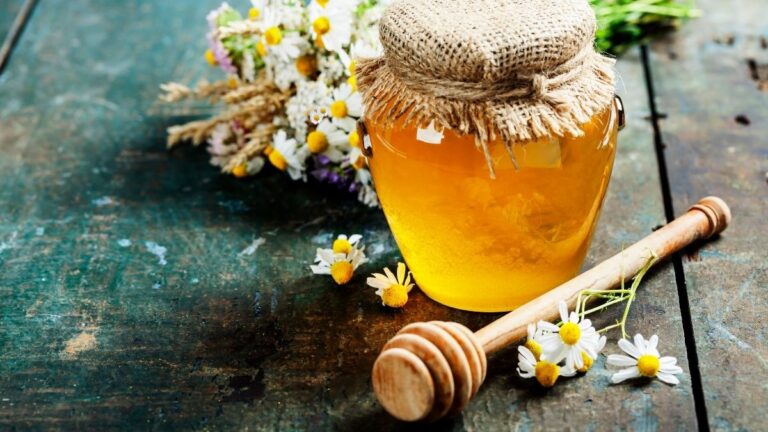
    Come and sit with me . Let’s talk about the jar on your shelf.

    I’ve had this conversation so many times. Someone swaps their sugar for honey, feels quietly virtuous about it, and then wonders — wait, am I actually doing anything different here?

    Honestly? A little. But not as much as the wellness world would have you believe.

    Here’s the truth: honey is still sugar. It’s mostly fructose and glucose, it will still raise your blood sugar, and pouring it over everything because it “comes from nature” won’t suddenly make it a health food. I say this with love, not judgment.

    But honey isn’t identical to the white stuff either. Real, good-quality honey — and I’ll come back to that word real in a moment — contains small amounts of antioxidants, enzymes, minerals, and plant compounds that refined sugar simply doesn’t have. Those things come from the flowers, the bees, the whole slow beautiful process of it. And some research does suggest honey may have a slightly gentler effect on blood sugar than refined sugar, especially when it’s raw and minimally processed.

    So yes, it may be the better choice. But better doesn’t mean unlimited.

    What I actually look for when I’m buying honey

    Price is the first thing that catches my eye — and not in a good way when it’s too low. Making real honey takes time, bees, flowers, and someone who knows what they’re doing. If it’s suspiciously cheap, I ask myself why.

    Then I read the label. Not the big words on the front — those can say almost anything. I mean the small print. I want to know where the honey actually came from and who made it. “Product of several countries” tells me very little. A named beekeeper or a named region tells me something real.

    I also look at the texture, but I don’t let it fool me either way. Honey can be runny and golden or thick and almost solid depending on the flower source, the temperature it’s been stored at, and how it’s been handled. Neither is automatically better. And if your honey has crystallised? That’s not a sign it’s gone off — that’s often a sign it’s genuine. Many real honeys do exactly that over time. You can gently warm the jar in a bowl of warm water and it’ll come back.

    One more thing: be careful with words like pure, natural, or premium on the label. They sound reassuring. They’re not regulated in a way that guarantees anything. They’re marketing, not a promise.

    Whenever I can, I buy directly from a beekeeper. Markets, farm shops, local producers — that’s where I’ve found the honey I actually trust.

    And here’s a little something interesting: a honey’s appearance — liquid, creamy, crystallised — tells you about the flower source, the storage, the season. It doesn’t tell you whether it’s real. Looks alone can’t confirm authenticity, which is exactly why the source matters a trusted beekeeper or reputable producer reduces the risk of poor quality or heavily processed honey.


    Different honeys do different things

    Manuka has well-studied antibacterial properties. Buckwheat is dark and bold and full of antioxidants. Acacia is delicate and slow to crystallise. Local wildflower honey changes with the seasons.

    That’s a whole conversation for another day — because honey types really do vary and it’s genuinely interesting.


    So. Is it better?

    Yes — if we’re talking about real honey, used in small amounts, as part of how you already eat well.

    No — if you’re swapping one excess for another and expecting a different result.

    My approach has always been simple: choose quality, use less, actually taste it. There’s more pleasure in a small spoonful of something real than a big squeeze of something that’s barely what it claims to be.

    That’s the sweetness worth having.


    —Jo

    References:

    I believe nutrition information should be transparent and evidence-based. The following sources were consulted when researching this article:


    This article is intended for educational purposes only and should not replace personalised medical or nutritional advice.