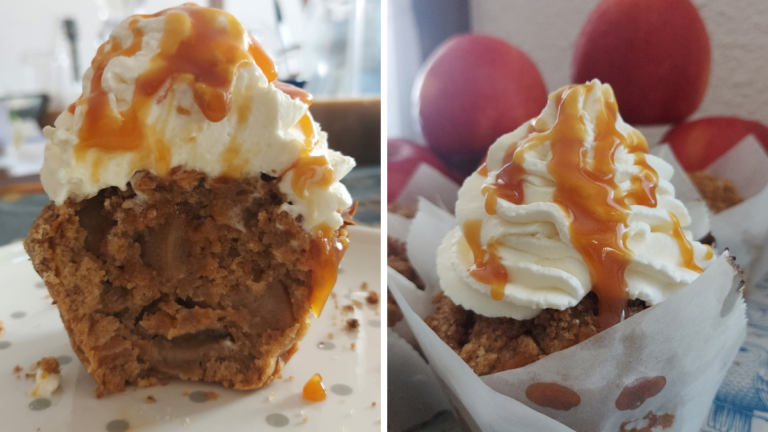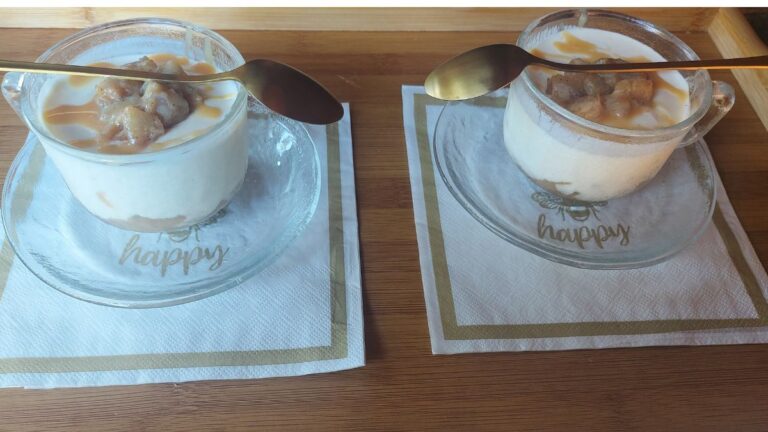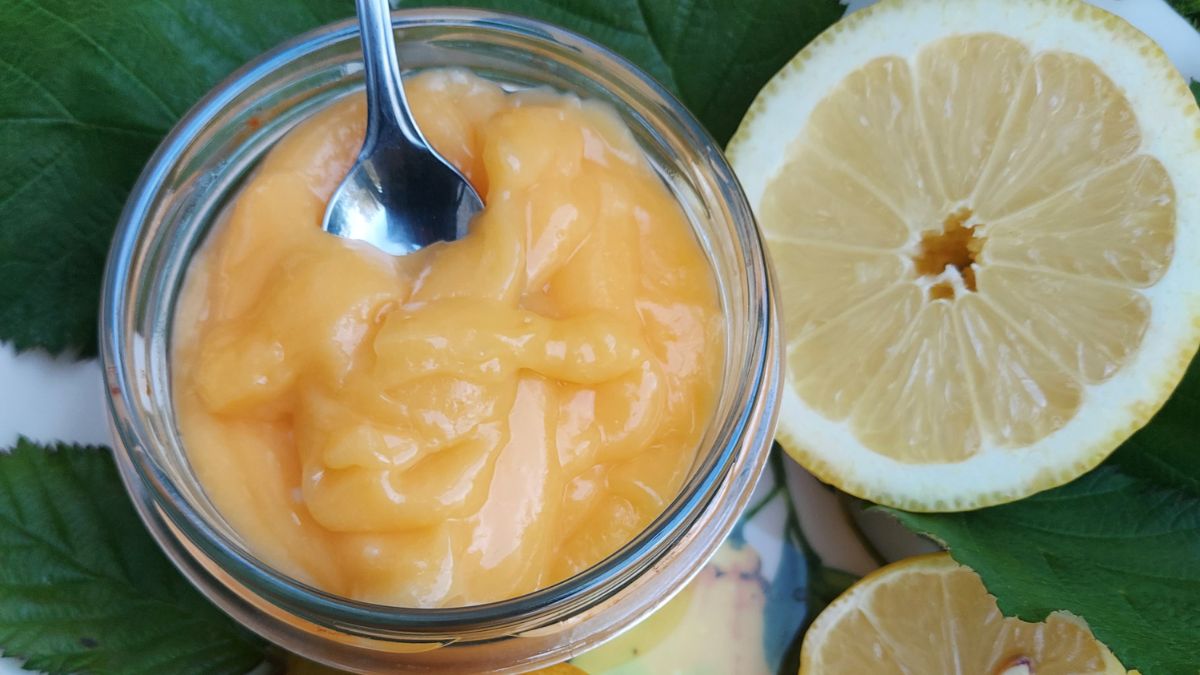
Lemon curd is one of those things that can turn something really simple into a proper dessert. Spoon it over pancakes, use it to fill profiteroles, spread it between cake layers or make it the star of a lemon tart. Sweet, sharp, buttery and intensely lemony, a good lemon curd is ridiculously delicious. It’s one of those little things that’s worth having in the fridge because once it’s there, you’ll keep finding reasons to use it.
I discovered lemon curd after moving to the UK, and for me it all started with lemon tart. I loved that combination of buttery pastry and smooth, sharp lemon filling. It wasn’t something I had grown up eating in Poland, so the flavour was completely new to me, and I quickly became a fan. Eventually, as with so many things I buy, I started reading the labels.
Why I Started Making Homemade Lemon Curd
Some of the lemon curds I found in the shops had ingredients I really didn’t expect, and quite often I couldn’t even find egg yolks on the list. I know there are different ways of making lemon curd, including versions made with whole eggs, but I wanted that rich, silky curd I had fallen in love with. For me, if something is supposed to be incredibly delicious, I want it to actually be what it’s supposed to be, made with the ingredients that give it that flavour and texture in the first place.
And the funny thing is, proper homemade lemon curd doesn’t need a long list of ingredients. Lemons, eggs, sugar and butter can create something far better than many of the jars I was finding in the shops. So instead of trying to find a better one, I started looking for a really good homemade lemon curd recipe. That’s when I found Jemma.
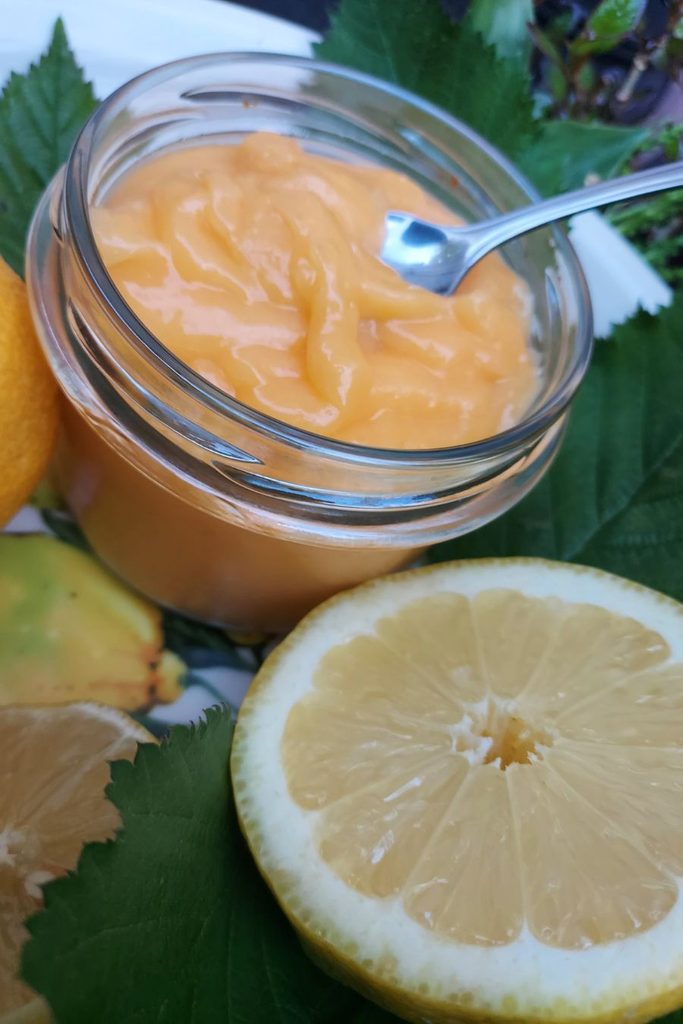
The Lemon Curd Recipe I Found Through Cupcake Jemma
If you enjoy baking, you may already know Jemma Wilson, better known as Cupcake Jemma. She’s a baker, cookbook author and founder of the London bakery Crumbs & Doilies, and I’ve loved watching her recipes and baking videos for years. She has that wonderful ability to make proper baking feel achievable at home, and it was Jemma who showed me how to make the lemon curd I still use today.
I haven’t changed a thing, and honestly, why would I? I’ve made it many times over the years and, for me, it’s perfect exactly as it is. Some recipes simply don’t need improving. I’ve already passed this one on to quite a few of my friends, which probably says more about how good it is than anything else I could write here. Now I think it’s time it travelled a little further.
A Little History Behind Lemon Curd
Something I didn’t know when I first discovered lemon curd in the UK was just how far back its British story goes. One of the early recipes published under the name lemon curd, from 1844, was actually quite different from the silky curd we know today. Lemon juice was used to curdle cream before the curds were separated from the whey, which also helps explain where the word curd came from.
During the Victorian period, recipes began appearing that were much closer to what we recognise today, using combinations of lemon, eggs, sugar and butter. Similar lemon mixtures appeared in recipes for things such as lemon cheesecakes, and fruit curds later became associated with British afternoon tea, where they could be served with bread or scones as an alternative to jam. Unlike jam, though, traditional lemon curd contains eggs and butter, so it was usually made in smaller quantities and wasn’t intended for the same kind of long storage.
I love this little piece of its history because when I first tasted lemon curd, I simply thought I’d discovered something delicious in Britain. I had no idea I was discovering something with such a long connection to British baking and home cooking.
What Can You Use Homemade Lemon Curd For?
This is probably another reason I’ve kept making it. Once you have a jar of homemade lemon curd in the fridge, there are so many things you can do with it. It’s beautiful in a classic lemon tart, but you can also use it between cake layers, inside profiteroles, with meringue, spooned over pancakes or as a filling for all sorts of desserts. That sharp lemon flavour works especially well with anything creamy, buttery or sweet because it cuts through the richness and brings everything to life.
Of course, not every spoonful needs to have a purpose. Sometimes opening the fridge and eating a little straight from the jar is perfectly acceptable too. Once you’ve made the real thing, you’ll understand why.
A Recipe Too Good Not to Share
There are recipes you make once and then forget about, and there are others that quietly become part of your kitchen. This homemade lemon curd is definitely one of those for me. I discovered it because of a lemon tart, learned how to make it from Jemma, kept making it and eventually started passing the recipe on to friends.
I haven’t changed it because I’ve never felt it needed changing. So I’m doing exactly the same thing here that I’ve been doing for years whenever someone asks me about it: I’m passing on a recipe that I genuinely love because something this simple and this delicious deserves to be shared. And now it has finally made its way to you.
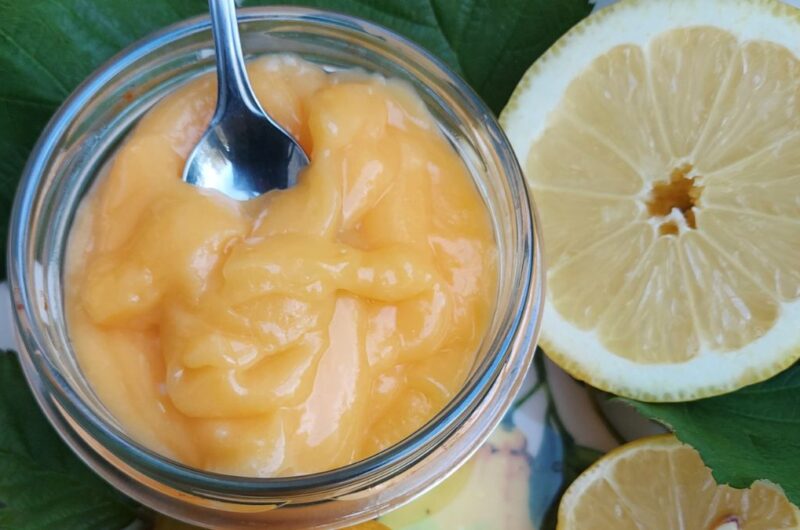
Homemade Lemon Curd – The Recipe I Keep Sharing
Course: DessertCuisine: BritishDifficulty: Easy21
servings10
minutes10
minutes63
kcalIngredients
5 egg yolks
2 whole eggs
Zest of 1 lemon
110 ml fresh lemon juice – approximately 3 lemons
110g caster sugar
60 g cold butter, cut into small cubes
Directions
- Prepare a bain-marie by placing a heatproof bowl over a saucepan of gently simmering water. Make sure the bottom of the bowl doesn’t touch the water.
- Add the lemon juice, lemon zest, egg yolks, whole eggs and caster sugar to the bowl. Whisk everything together until well combined.
- Place the bowl over the bain-marie. Keep the water at a low, gentle simmer and cook the mixture gently, whisking and stirring continuously. It should take around 5 minutes for the curd to thicken.
- Once the curd has thickened, remove the bowl from the bain-marie. Add the cold butter, a few cubes at a time, stirring until completely melted. The cold butter helps cool the curd down and stops the cooking process, while giving it a beautifully smooth and glossy finish.
- Pass the lemon curd through a fine-mesh sieve into a clean bowl. This removes the zest and any little pieces of cooked egg, leaving you with a silky-smooth curd.
- At this point it should smell amazing, buttery, fresh and zingy. Leave the lemon curd to cool completely.
- Once cooled, transfer it to a clean jar or airtight container and store it in the fridge.
Notes
- Keep the water at a gentle simmer, not a rolling boil. Lemon curd likes gentle heat.
Stir or whisk continuously while the curd cooks so the eggs heat evenly and don’t scramble.
The curd should take around 5 minutes to thicken, but use the consistency rather than the clock as your guide.
Use cold butter straight from the fridge. Adding it after removing the curd from the heat helps cool it down and stop the cooking process while making it smooth and glossy.
Don’t skip the sieve.
It gives the finished lemon curd that lovely silky texture.
The curd will thicken further as it cools, so don’t worry if it still seems slightly loose while warm.
Use freshly squeezed lemon juice for that bright, zingy flavour.
Let it cool completely before storing it in a clean, airtight jar in the fridge.
1,315 kcal per batch.
~63 kcal per serving (20 g)