My relationship with food started long before I created my personalised meal prep service in Bern, or ever thought about cooking professionally or learning more about nutrition. In many ways, it started in my childhood home in Poland.
I grew up in a home where food was prepared from scratch and cooking was simply part of everyday life. My parents cooked a lot, but food also came from all sorts of places around us. We picked wild mushrooms and blueberries in the forest, had fresh fruit from the allotment and turned what was in season into preserves for the months ahead. There was honey from a neighbour’s beehives, and my mum would bring home butter and cream from her sister, my aunt.
Meat, poultry and fish didn’t always arrive neatly portioned in plastic trays from a supermarket either. My parents would sometimes bring home half a pig, chickens, turkeys, other poultry or whole fish and prepare them themselves. My dad made fish and meat jellies, soups, roasts and all kinds of traditional dishes. My parents fermented cabbage, made preserves and used what was available at different times of the year.
Some of my strongest childhood memories are actually smells. My bedroom was next to the kitchen, and I remember waking up to the smell of food being prepared. Sometimes those aromas were still drifting into my room during the night. I especially remember my dad making a rolled pork belly that would cook slowly for hours at a low temperature. The smell of the meat, herbs and spices would fill the kitchen and eventually find its way into my bedroom.
Food was everywhere. It was picked in the forest, grown on the allotment, brought from family or neighbours, fermented, preserved, baked and slowly cooked. Ingredients had a story and often a person or a place attached to them.
Eating out or getting a takeaway simply wasn’t part of our family life either. I don’t remember my parents ever taking us for takeaway food when I was growing up. Perhaps it wasn’t as common in Poland then as it is today, but in our home, if we were eating, someone had cooked. In fact, I think I was around 26 when I had my first ever Big Mac.
I mention that not because I think there is anything wrong with having a burger or enjoying a takeaway. It just makes me smile now because it shows how normal home-cooked food was in my childhood. We didn’t call it “clean eating” or “whole foods”. Nobody talked about minimally processed food. It was just food.
I don’t think I understood how special that was at the time. It was simply normal life. Only much later did I realise how much it shaped the way I think about food today. My appreciation for good ingredients, cooking from scratch, seasonal produce and knowing where our food comes from didn’t suddenly appear when I became interested in nutrition. The foundations had been there since childhood.
Then I became the one feeding a family
Becoming a mum changed my relationship with food again. Suddenly I wasn’t only choosing what I wanted to eat; I was responsible for feeding growing children. And as every parent eventually discovers, feeding children is an education in itself.
You can prepare something you are sure they are going to love and they won’t touch it. One child likes something the other one doesn’t. They go through phases, their appetites change, and yesterday’s favourite food can suddenly become today’s absolute no.
But underneath all of that, there was something that always mattered to me. I didn’t only want my children to be full. I wanted the food I gave them to actually nourish them. I wanted them to get protein, healthy fats, fibre, vitamins and minerals, together with variety and colourful plant foods. Children are growing, learning and concentrating all day, and I wanted the food I prepared to support those needs.
Not every meal had to be perfect. It still doesn’t. But the overall quality of what we eat matters to me.
Motherhood made me start reading labels
Cooking from scratch wasn’t something I discovered later in life. It was how I was brought up, and it was how I cooked when I had my own family too. What changed was my awareness of everything around that food.
When I became a mum, I started paying much more attention to what I was buying. Like so many parents, I wanted to make good choices for my children, and I would naturally reach for products advertised as being healthy or made especially for kids.
Then I started reading the labels.
Sometimes what I found on the back of the packet didn’t quite match the healthy image being presented on the front. That was a turning point for me. I became much more aware of additives, preservatives and added flavours, and I started questioning why certain foods needed such long ingredient lists and why something marketed as a healthy choice for children wasn’t always as simple as I had assumed.
It didn’t change the fact that I cooked from scratch. I already did. What changed was the way I shopped.
I started looking beyond the claims on the front of the package and paying attention to what was actually inside. I became more selective about the products I brought home and more conscious of the ingredients I was feeding my family. And the more labels I read, the more questions I had.
Cooking for children taught me even more
Food later became part of my professional life too. For more than three years, I worked as the cook in a nursery, where I was responsible for preparing food for around 60–70 children. I planned and prepared meals, worked with different dietary requirements and allergies, and saw every day just how differently children respond to food.
That experience reinforced something I already knew from raising my own children: not every food is for everyone.
Children have preferences just like adults do. Texture matters. Familiarity matters. How something is served matters. Sometimes even a small change can make the difference between a child trying something and refusing it completely.
It taught me that feeding people isn’t simply about putting something nutritionally perfect in front of them. They actually have to want to eat it.
My curiosity about nutrition kept growing
The questions that began with reading food labels eventually grew into a genuine interest in nutrition. I wanted to understand more about what our bodies need and why the food we eat matters beyond simply making us feel full.
That curiosity eventually led me to take my interest in nutrition further and complete my Advanced Holistic Nutrition Practitioner certification. I became particularly fascinated by the microbiome and the relationship between our gut, brain and the rest of the body.
The human body genuinely amazes me. Every day it is working for us, adapting and trying to maintain balance. Food is only one part of health, of course. Sleep, movement, stress and our everyday habits all play their part.
Sometimes I think we make healthy living far more complicated than it needs to be. We constantly look for something new to add when sometimes it is worth looking at what we could remove or simply do differently. For me, food is a very good place to start.
Quality over quantity
There is a Japanese principle I really like called hara hachi bu, which roughly means eating until you are about 80% full. I don’t see this as a strict rule, and nobody needs to sit at the dinner table wondering whether they have reached exactly 80%. What I like is the philosophy behind it: eating with awareness, enjoying your food and giving yourself enough time to notice when you have had enough.
It fits naturally with something I have believed for a long time: quality over quantity.
I’d rather eat food made from good ingredients, prepared with care and genuinely enjoyed than focus on having as much food as possible on the plate. And there is another part of this that is equally important to me: pleasure. There is no reason why a meal shouldn’t feel like a little celebration.
Healthy food still has to taste good
I have never been interested in food that is “healthy” but miserable. If nobody wants to eat it, what’s the point?
For me, nutritious and delicious have to work together. I love cooking from scratch using simple, recognisable ingredients. I try to avoid unnecessary additives where possible, appreciate seasonal and locally sourced ingredients, and use vegetables, herbs, spices, fruit and all the wonderful flavours that naturally come from food.
There are also a few things you won’t normally find in my cooking. I don’t use seasoning mixes with added flavour enhancers, and I don’t use stock cubes. This isn’t only about their ingredients. I simply don’t think good food needs them.
To me, they can take away some of the individuality of a dish. Add the same flavour enhancers or stock cube to different meals and eventually everything starts to have that familiar, standardised taste. I want a tomato sauce to taste of tomatoes, garlic, olive oil and herbs. I want a mushroom sauce to actually taste of mushrooms. A soup should develop its flavour from the vegetables, herbs, spices, meat or whatever else has gone into making it.
That’s one of the things I love most about cooking from scratch: you can build flavour instead of adding a ready-made version of it.
Perhaps this comes back to the food I grew up with. When I think about those smells coming from my parents’ kitchen, I remember individual ingredients: mushrooms from the forest, cabbage fermenting, meat slowly roasting with herbs, fruit being turned into preserves.
Real food already has so much flavour. I don’t want to cover that up. I want to bring it out.
Your food should still taste like your food
This is where my approach becomes very personal. I don’t want to decide what your family should like eating. I want to know what you actually like eating.
If you don’t like an ingredient, we can change it. If your children prefer something prepared differently, we can work around that. If there is a meal your family absolutely loves, I want to know about it.
And if you are trying to make changes to the way you eat, perhaps adding more vegetables, fibre or variety, I would rather help you do that gradually in a way that works with the foods you already enjoy. Changing the way we eat isn’t always easy. Sometimes we’ve eaten the same foods for 10, 20 or 30 years, and suddenly being told that everything you eat is wrong isn’t particularly helpful.
I would much rather encourage conscious food choices and help someone find alternatives they genuinely enjoy.
And then there is the reality of feeding a family
Knowing what you would like your family to eat is one thing. Actually making it happen every day is something else entirely.
Because feeding a family takes time, and I don’t just mean the 30 or 40 minutes spent standing at the cooker. You have to decide what everyone is going to eat, think of several meals, check what is already in the fridge, write a shopping list, go to the shops, read labels, buy everything, carry it home, wash and prepare ingredients, cook, portion everything, put it away and clean the kitchen.
And tomorrow someone asks: What’s for dinner?
As a mum, I know that cycle very well.
Sometimes you simply don’t have the time or energy to do all of it. But that doesn’t necessarily mean you want to rely on takeaway food or ready meals, or compromise on the quality of what your family eats.
And that is where the idea for my personalised meal prep service really came together.
Why I created my personalised meal prep service in Bern
I didn’t want to create a meal prep service where every customer chooses from exactly the same weekly menu and receives identical boxes of food. I wanted to do something much more personal.
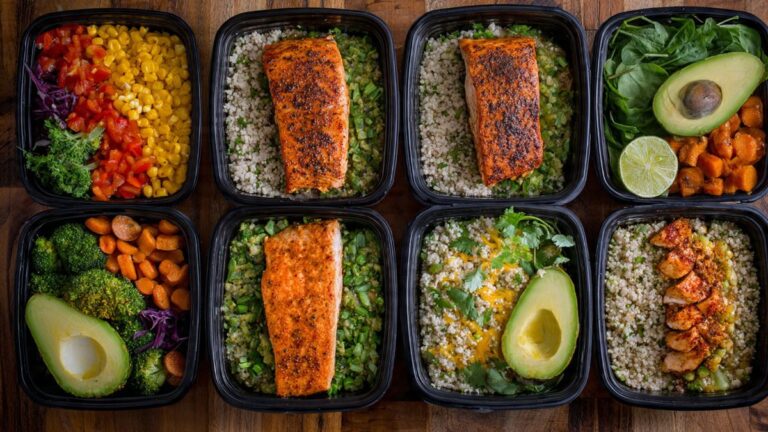
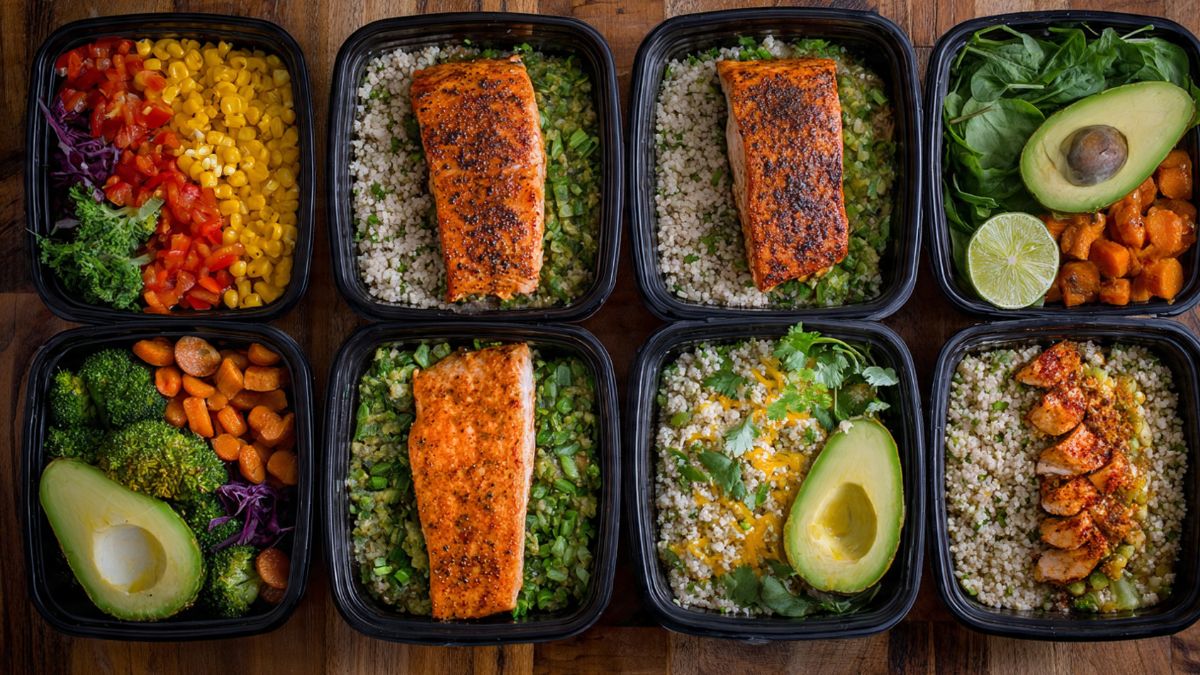
With my personalised in-home meal prep service in Bern, I come into your home and cook for you and your family, in your own kitchen, based on the foods you actually enjoy.
I can help plan your meals and organise the shopping. I prepare the food, portion it and clean up afterwards. In other words, I take care of the parts that take so much of your time.
You don’t need to spend your evening trying to think of five dinners for next week. You don’t have to spend hours shopping and preparing everything before you even begin cooking. I can do that for you.
And because the food is prepared specifically for you, we can think about the quality and freshness of the ingredients, what is available locally and seasonally, your family’s preferences and what you actually want to have waiting in your fridge.
Learn more about my Personalised In-Home Meal Prep service in Bern →
Prepared for your family, not for “a family”
This is probably the most important part of the service to me. I’m not cooking for an imaginary perfect family. I’m cooking for your family.
Your tastes, your routines, your favourite meals and your dietary needs. The things your children will actually eat. The foods you don’t like. Your busy Wednesdays. Your favourite soup. The dinner you want waiting in the fridge after a long day.
Preparation matters to me because I know it matters to you. When somebody invites me into their home and trusts me to prepare food for their family, I don’t see it as simply another batch of meals to cook. It’s a responsibility, but genuinely, it is also a pleasure and a privilege.
After more than a decade of professional cooking experience and around 20 years of cooking, experimenting and learning in my own life, I’m still curious about food. I’m still fascinated by nutrition, ingredients, our bodies, the microbiome and everything nature gives us to work with. And I’m still genuinely excited by what you can make from a handful of good ingredients.
When I look back now, I can see a line connecting all of it: the mushrooms and blueberries we picked in the forest when I was little, the butter and cream my mum brought home from my aunt, my dad’s food slowly cooking through the night, becoming a mum and wanting to nourish my own children, cooking professionally for dozens of children every day, learning more about nutrition, reading labels and experimenting in my own kitchen.
And eventually, Taste With Jo.
My in-home meal prep service grew from all of those things: a love of cooking, a genuine curiosity about nutrition, an appreciation for good ingredients, years of feeding a family, years of cooking professionally, and an understanding that sometimes what a family needs most isn’t another recipe. It’s someone to take care of it.
You shouldn’t have to choose between convenience and feeding your family well. Sometimes you just need someone else to plan, shop, cook and clean, so that when it’s time to eat, you can simply sit down and enjoy the food.
With love
Joanna