I want to talk about something that I wish someone had explained to me clearly when my children were small. Not in complicated scientific language. Not in a way that creates panic or guilt. But honestly — the way a friend would explain it over a cup of tea. Because this information matters. And most parents never hear it until it is too late to do anything about it.
Why the First 1000 Days Matter More Than We Once Thought.
What are the first 1000 days?
The first 1000 days begin at conception and end around your child’s second birthday. That is roughly — nine months of pregnancy plus the first two years of life. It sounds like a long time.
But in the context of everything that is being built inside that small body during those days — it is remarkably short. Because what happens during this window does not just affect how your child grows in the moment. It shapes how their immune system functions, how their brain develops, how their gut works, and how their body manages inflammation, energy, mood, and health — for the rest of their life. (Victora et al., The Lancet, 2016). That is not an exaggeration. That is what the research consistently shows.
The gut microbiome — and why it starts before birth
Most people think of the gut microbiome as something that begins only after birth. While scientists continue to debate whether a healthy womb is completely sterile, there is strong evidence that a mother’s health during pregnancy — including her diet, lifestyle, stress levels and medication use — influences the environment in which her baby’s immune system develops and helps shape the microbiome that begins establishing itself at birth.
Then at birth everything accelerates.
A baby born vaginally is colonised by the mother’s vaginal and gut bacteria during delivery. A baby born by caesarean section has a different initial colonisation — one more influenced by the skin and the hospital environment. Neither is a reason for alarm. But it is one reason why skin-to-skin contact and breastfeeding are particularly encouraged after caesarean births — both help to establish beneficial bacteria in the baby’s gut during those critical early hours and days.
From that first moment outside the womb, the gut microbiome begins assembling. And what it assembles from — breast milk, formula, the environment, early foods, medications — shapes the community of bacteria that will influence your child’s immune function, brain development, digestion, and emotional regulation for decades.
This is not a small thing. The gut microbiome and the immune system are in constant conversation during these early years. They are teaching each other.(Junaid et al., Journal of Translational Medicine, 2026). And the lessons they learn together in this window are the ones that stick.
Breastfeeding — what makes it so significant in this window
Breast milk is a living fluid. I know that sounds dramatic but it is the most accurate description.
It contains living white blood cells, antibodies that respond in real time to what the baby is exposed to, over 200 types of human milk oligosaccharides that act as prebiotics feeding the beneficial bacteria in the baby’s gut, and a fat structure that no formula has yet been able to fully replicate.
When a baby feeds at the breast, tiny amounts of their saliva interact with the nipple. The mother’s body reads this information and adjusts the composition of the milk — increasing specific antibodies when the baby is fighting an infection, shifting the immune profile to meet what the baby needs at that particular moment.
This is adaptive, personalised, real-time nourishment. (Victora et al., 2016; Ho et al., Nature Communications, 2018). And it happens within the first 1000 days when the microbiome is at its most malleable and the immune system is at its most formative.
Formula supports healthy growth and development — generations of children are proof of that. But understanding what makes breast milk so remarkable during this specific window helps parents make informed choices rather than following advice blindly in either direction.
What disrupts the microbiome — and why antibiotics deserve a careful conversation
Not everything that affects the microbiome during the first 1000 days is within our control. Birth mode, the hospital environment, a mother’s diet during pregnancy — these things influence a baby’s microbiome before parents have made a single conscious choice.
But some things are within our awareness. And antibiotics are the one I want to address clearly — because they are both essential and significant.
Antibiotics save lives. When a baby or young child has a serious bacterial infection, antibiotics are necessary and should never be withheld. That is not in question. The goal is never to avoid antibiotics when they are medically necessary, but to avoid using them when they are unlikely to help, such as for viral infections.
But antibiotics do not discriminate between harmful bacteria and the beneficial bacteria in the gut that are still assembling during the first 1000 days. Research has found that antibiotic exposure during this critical window is associated with an increased risk of immune disorders, metabolic conditions, and neurodevelopmental differences in later life.(Brockway, 2024; Singleton et al., 2026). This is why most paediatricians now recommend antibiotics only when genuinely necessary — not for viral infections like colds and flu, where they have no effect at all.
And when antibiotics are necessary — supporting gut recovery afterwards matters. Probiotic-rich foods like natural yoghurt and kefir, prebiotic foods like oats, bananas, garlic, and onions, and simply returning to a varied real food diet as quickly as possible all help the microbiome begin to rebuild.
The food that builds the foundation — in these early years
What a child eats during the first 1000 days — and in the years immediately following — is not just fuel. It is literally the raw material from which their brain, immune system, gut lining, and nervous system are being constructed.
Omega-3 fatty acids from oily fish like salmon and sardines support brain development and the formation of myelin — the protective sheath around nerve fibres that supports fast, efficient thinking and communication between brain cells.
Iron from meat, eggs, and legumes supports cognitive development and the production of red blood cells. Iron deficiency in the first two years is one of the most common and most preventable causes of developmental delay in young children.
Vitamin D — from sunlight, oily fish, eggs, and supplementation where needed — supports immune function, bone development, and the gut microbiome itself.
Diverse vegetables and fruits provide the fibre that feeds the beneficial bacteria in the gut. Research has found that children who eat a more varied diet in the first two years develop a more diverse microbiome — and diversity is what we are aiming for. (WHO; UNICEF; Ho et al., 2018). A diverse microbiome is a resilient one.
Scientists now recognise that diversity is one of the strongest markers of a healthy gut microbiome. The wider the variety of beneficial bacteria, the better equipped the immune system is to respond to challenges throughout life.
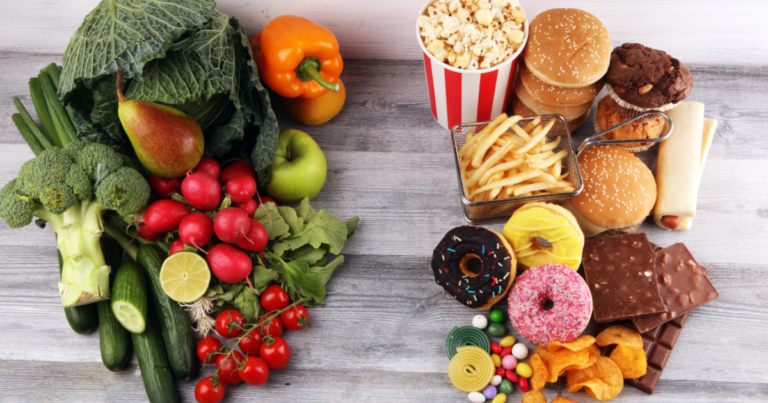
And perhaps most importantly — real food. Not processed food engineered in a laboratory. Not food with a list of additives longer than the recipe itself. Just real ingredients, prepared simply, offered consistently, without pressure.
If you’d like more support with introducing food, flavours and textures to your child, I explore this further in my ebook, The First Taste.
Because the foundation being built during these 1000 days will carry your child for the rest of their life.
The microbiome can be supported — always
Here is the part I find genuinely reassuring — and I want parents to hear this clearly.
What the Science Tells Us
The idea that the first 1,000 days shape lifelong health is no longer simply a theory. Decades of research now link nutrition, the developing microbiome and early immune programming with health outcomes later in life. While scientists continue to learn more about these complex interactions, the overall message has remained remarkably consistent: supporting a child’s health during these early years is one of the most valuable investments a parent can make.
The first 1000 days are the most critical window. But they are not the only window.
The microbiome continues developing and diversifying through childhood and beyond. A child who had antibiotics in infancy, or who was born by caesarean, or who was formula fed — that child can still develop a strong, diverse, resilient microbiome through the years that follow.
Real food, outdoor time, varied diet, fermented foods, less sugar, less processing, time in nature — all of these support microbiome health at any age. It is never too late to nourish what is already there.
The foundation is laid early. But the building continues for a lifetime.
What this means for parents — practically
I am not writing this to make anyone feel guilty about choices already made. My children are adults now and there are things I know now that I wish I had known when they were small. That is just how learning works.
What I am saying is this.
The choices made during these first 1000 days carry more weight than most parents realise — not because of what they mean for today, but because of what they mean for twenty years from now. (WHO; The Lancet, 2016). The immune system your child has as an adult. The gut health they carry into their thirties. The brain function that shapes how they think, feel, and cope with the world.
You do not need to be perfect. You need to be consistent. Present. And informed enough to make choices that support what is being built — quietly, invisibly, remarkably — inside that small body during these extraordinary early years.
Feed them well. Keep antibiotics for when they are truly needed. Get them outdoors. Let them get muddy. Give them variety. Trust the process. And know that every good choice made during these 1000 days is an investment whose returns you will watch your child collecting for the rest of their life.
The first 1000 days aren’t about perfection. They’re about giving a child’s body the best possible foundation while recognising that life doesn’t always go to plan. Every nourishing meal, every opportunity to play outside, every moment spent supporting a child’s developing gut and immune system is an investment in their future. And that’s something worth remembering.
— Jo
Frequently Asked Questions
Is the first 1000 days really that important?
Yes. Research shows that nutrition, the developing gut microbiome and early life experiences during the first 1,000 days can have lasting effects on a child’s immune system, brain development and long-term health.
Can the gut microbiome recover after antibiotics?
In many cases, yes. The microbiome is remarkably adaptable. A varied diet rich in fibre, fermented foods when appropriate, and plenty of whole foods can help support its recovery over time.
What if I couldn’t breastfeed?
Breastfeeding offers unique benefits, but many healthy children are formula-fed. What matters most is providing loving care, a balanced diet as your child grows, and a healthy environment that supports development.
When should babies start solid foods?
The World Health Organization recommends introducing complementary foods at around six months of age while continuing breastfeeding where possible. However, every baby develops at their own pace. Rather than focusing only on age, it’s also important to look for developmental signs of readiness, such as good head control, the ability to sit with support, showing interest in food, and being able to move food to the back of the mouth and swallow it safely. If you’re unsure, speak to your health visitor or paediatrician.
References
- Brockway M. The Role of Antibiotic Exposure and the Effects of Breastmilk and Human Milk Feeding on the Developing Infant Gut Microbiome. Frontiers in Public Health. 2024.
- Ho NT et al. Meta-analysis of Effects of Exclusive Breastfeeding on Infant Gut Microbiota Across Populations. Nature Communications. 2018.
- Victora CG et al. Breastfeeding in the 21st Century: Epidemiology, Mechanisms, and Lifelong Effect. The Lancet. 2016.
- World Health Organization (WHO). Infant and Young Child Feeding.
- UNICEF. Early Childhood Nutrition.
- Junaid M et al. The Maternal and Infant Gut Microbiome: Implications for Pregnancy Outcomes, Immune Development, and Health in the First 1000 Days. Journal of Translational Medicine. 2026.
- Singleton H et al. Impact of Mode of Birth and Perinatal Antibiotics on Infant Gut Microbiota and Health. BMJ Paediatrics Open. 2026.
Medical Disclaimer
This article is intended for educational and informational purposes only and should not replace personalised medical advice. Every child is unique. If you have concerns about your child’s health, nutrition or development, please consult your GP, health visitor, paediatrician or another qualified healthcare professional.